What is PTSD? Why is it that something in someone’s life can impact them mentally for such a long time after it happens?
A huge part of why it is that traumatic experiences such as being bullied, being in a crisis, being in a dangerous situation, and so on, cause PTSD (post traumatic stress disorder), has a lot to do with epigenetics.
Up until recently, it was thought that PTSD was just a mental health issue, and only affected the brain, but it is now known that it also can affect a person’s genes.
Epigenetics is the system of genes being turned on or off according to different factors causing the activity of these certain genes to be, not to be, or to partially be carried out. In this specific situation (PTSD situations), it is caused by traumatic experiences.
So how does this happen?
It all start with the SERT gene being affected. This gene gets suppressed (typically not fully) therefore, not allowing it to do its job or not allowing it do its job to its full potential.
The SERT gene is the gene that is responsible for transporting serotonin. Without this transportation of the serotonin, the hypothalamic-pituitary-adrenal (HPA) axis is altered.
The HPA is what usually helps a person cope with daily and non-daily issues. Without or with less serotonin, it becomes more difficult for humans cope in a healthy way. On top of that, serotonin is what helps regulate mood, social behaviour, sleep, memory, eating habits among many other things. Therefore, low serotonin will not only cause PTSD but is linked to many other mental health issues such as depression, anxiety, and so on, which no surprise, are also linked to PTSD.
In these kinds of events, cortisol (a hormone) is decreased the more that the SERT gene is turned off, therefore, the more and repetitive traumatic experiences faced by someone, the more that these experiences tend to affect them. Cortisol can be good for humans in tough and stressful situations by thing such as, balancing hormones, sugar levels, and a person’s metabolism. In these situations stress is also increased and can be good. For instance, when being chased by a tiger stress helps a person’s pupils dilate to see better, and gives them adrenaline to run faster. Yet too much stress can be harmful to humans. Therefore, throughout these various stressful situations which can harm the body, the body tries to protect itself by decreasing the cortisol in efforts cause a person have less stress overall in their life.
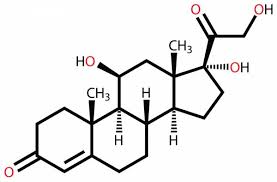
These changes in the cortisol can have very negative effects and can be commonly long term in affecting the mental health of someone drastically.
Why not Everyone gets PTSD after Traumatic Experiences
The reason as to which some people are more sustainable to having PTSD from certain situations in purely genetic.
When inheriting genes from one’s parents, there are three sert gene genotypes that can be inherited: long-long, short-long, or short-short. It is hypothesised that those with short-short genotypes are more suitable to mental illnesses such as depression and PTSD than those with long-long genotypes.
Although some are more suitable to PTSD than others, it does not matter which one of these genotypes a person has, they are still at risk and have a possibility of having PTSD and other mental illnesses that come along with it.
Conclusion
In the end, traumatic experiences that happens in one’s life can not only affect their mental state but also affect their genes through epigenetics. It is a response that the body has in efforts to try and protect it but in the end harm them psychologically instead of protecting.
Thank you for reading this post on how PTSD and epigenetic are related. If you have any comment or questions please leave them down below in the comments.
-Maggie Claus
 Maggies genetic project